Protect your home from Fire
It is everybody’s responsibility to protect themselves and their families from the ever present scourge of fire. Every year nearly 30,000 fires in the home kill 200 people and injure another 5,000. The most common causes of these fires relate to electrical appliances through faults or misuse. A significant proportion are cause by chip pans, or smokers materials setting fire to upholstery, such as chairs and sofas. Even if you don’t smoke or use a chip pan and keep your electrical appliances in safe working order, you could still be at risk. Here are a few fire prevention reminders which only take a few minutes to read, but could help save the lives of you and your family.
Chip pans
Chip pans are a common cause of fire in the home but if you follow some simple guidelines you will keep your kitchen safe. Before putting food in the pan dry the food, and test the temperature of the oil by putting in a small piece of bread. If the bread crisps up quickly the oil is ready.
And remember,
- Never fill a pan more than one-third full of fat or oil.
- Never leave the pan unattended when the heat is switched on.
- If the pan does catch fire do not move it and never throw water on it.
- Never put the food in the pan if the oil begins to give off smoke. Turn off the heat and leave the oil to cool, otherwise it could catch fire.
- If it does catch on fire, turn off the heat if it is safe to do so, but never lean over the pan to reach the cooker controls.
Leave the room, close the door and call the fire service. They will ensure the fire is out and has not spread. Also they will remove the pan to outside the premises; this part of the exercise is the most dangerous. Calling the fire service will help your insurance claim similar to getting a crime number if your house is burgled.
Smoking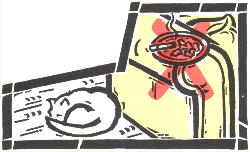
A lit cigarette or pipe can be deadly. Never leave a lit cigarette or pipe unattended. If you have left a cigarette or pipe burning on the brim of an ashtray, they may fall onto an armchair, or the carpet, particularly if the ashtray is already full. The armchair or carpet will soon catch fire and start to give off dense smoke and fumes making it difficult for you and your family to escape. Never smoke in a chair if you think you may doze off in it.
Falling asleep with a lit pipe or cigarette can also be fatal, especially in bed where the bedding will quickly catch fire. The smoke and fumes will not wake you. Make sure you stub out your cigarette before going to bed. Always keep matches and lighters well out of the reach of children.
Electrical appliances
Electricity is often overlooked as a possible fire hazard. Maybe this is because there is no flame, However many fires in the home are reported each year as being caused by electrical faults, accidents or by misuse of electrical equipment. This section looks at the main areas of electrical hazard in your home and explains how you can stop fire starting.
Appliances, plugs and Flexes
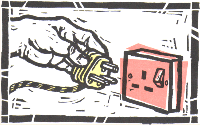 When buying new equipment look out for the BEAB Mark of Safety. This means that it has been tested and approved by the British Electrotechnical Approvals Board. Some electrical appliances have been designed to be left on all the time, for example most TV set-top boxes. If you are not sure about whether you have appliances which can be left on, check with the manufacturer or the shop where you bought them. All other electrical appliances should be switched off and unplugged when you are not using them. Never leave them on overnight. Use a three pin plug which conforms to the British Standard and carries the kite mark. Never remove a plug by pulling the flex. Always use the plug.
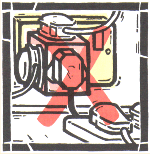 Overloading the socket by using several adaptors into the one socket can cause it to overheat and catch fire. One socket, one plug. You could overheat a socket and start a fire by putting several adaptors into one socket. Always make sure your plugs and adaptors have the right fuse for the appliance you are using. If in doubt, check with an approved electrician.
Wiring a Plug
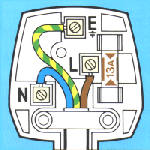 Learn the wiring colours and make sure you follow them when fitting a plug. Always use the correct fuse for the equipment you are using and follow the manufacturer’s instructions.
Brown to live.
Blue to Neutral.
Yellow and Green to Earth.
Ensure all the screws holding the wires are tight because a loose screw can increase resistance or cause arcing which will overheat and may ignite the plug.
Cookers
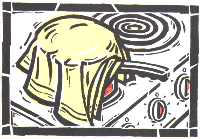 Always make sure that saucepans are in a safe position on the cooker. Handles should not stick over the edge of the cooker, where they can be knocked over, or left within the reach of children. Make sure the handles are not over a hot ring or burner. Flexes from electrical equipment, such as kettles and toasters, should be kept well away from the cooker and tea towels should never be dried over the cooker. Never leave a saucepan unattended with the heat turned on and be especially careful when using chip pans with oil or fat. Make sure that ovens are not left on after use.
Wiring
Look out for warning signs of dangerous wiring:
- Hot plugs and sockets
- Fuses that blow for no obvious reason
- Lights flickering
- Brown scorch marks on sockets and plugs
You should ask your electricity board to check your wiring if you see any of the danger signs. Regular checks of the wiring in your home should help prevent these danger signs occurring. Contact either your local electricity board or an electrician on the roll of the National Inspection Council for Electrical Installation Contracting. Whenever possible have your electricity consumer box fitted with a Residual Current Circuit Breaker (RCCB) and if a fault develops on your wiring system then the electric supply will cut out.
House wiring usually is Red for live, Black for neutral and earth is Yellow and Green sleeving.
Electric Blankets
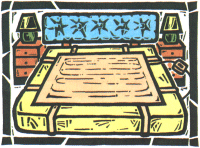 Many fires and deaths are due to electric blankets being left accidentally switched on. As with all electrical equipment, it is important that you follow the manufacturers instructions. Check the instructions to see if you should switch off your blanket when you get into bed. Under blankets should always be tied to the bed and be switched off before you get into bed. All electric blankets should be kept dry and flat. Once your electric blanket is out of guarantee, have it serviced once a year or in accordance with the manufacturer’s instructions. The shop where you bought it can tell you about servicing arrangements. When buying an electric blanket make sure it conforms to the British Standard and carries the kite mark. This will be shown on the label. If you find any physical damage no matter how small have it checked out by a qualified electrician. Check for scorch marks and if you are responsible for elderly people check regularly especially if they have a history of being incontinent.
Open fires
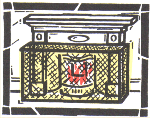 Always put a spark fireguard in front of an open fire and if you have young children at home, make sure you use an all-enclosed guard as well. You should never rest clothes to dry or put newspaper on the guard as they will catch fire or get too hot to handle and could cause burns. All-enclosed fireguards should be secured to the wall to prevent children from removing them or knocking them over.
Portable Heaters
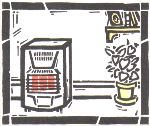 Make sure you don’t sit too close to a portable heater to keep warm. You could easily set light to your clothes or your chair; particularly if you fall asleep. Portable heaters should always stand in a safe place where they can’t be knocked over and where they cannot be tripped over. They should be kept well away from furniture and soft furnishings such as curtains and cushions. Do not position heaters where objects may fall onto them. Heaters should never be placed close to beds or used to dry clothes. As with open fires, make sure that all heaters are correctly guarded. If you have young children at home, make sure you use an all-enclosed guard with your heater as well. Where possible portable heaters should be permanently fixed to a wall by brackets and screws.
Children
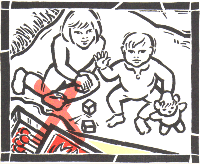 Children, because of their natural curiosity, can be at great risk from fire. You should never leave children alone in a room where there are portable heaters, cookers or an open fire. Keep matches and lighters well out of their reach and never leave children alone in the house.
Bedtime routine
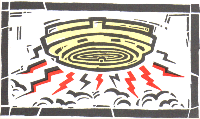 Because many fires in the home happen at night it is important that you make a special check of all the danger spots mentioned in this leaflet before you go to bed. And remember, if you don’t have a smoke alarm there will be nothing to wake you if a fire does occur. Wake Up. Get a Smoke Alarm.
Here are a few simple things to do before retiring for the night…
- Unplug all electric appliances not designed to stay on.
- Make sure no cigarette, cigars or pipes are still burning.
- Before emptying ashtrays make sure the contents are cold.
- Put a guard around open fires.
- Switch off all portable heaters.

Fire. Don’t give it a chance.
Categories:Fire Safety at Home
April 1, 2011[Last updated: September 2, 2019]
Comments are closed here.